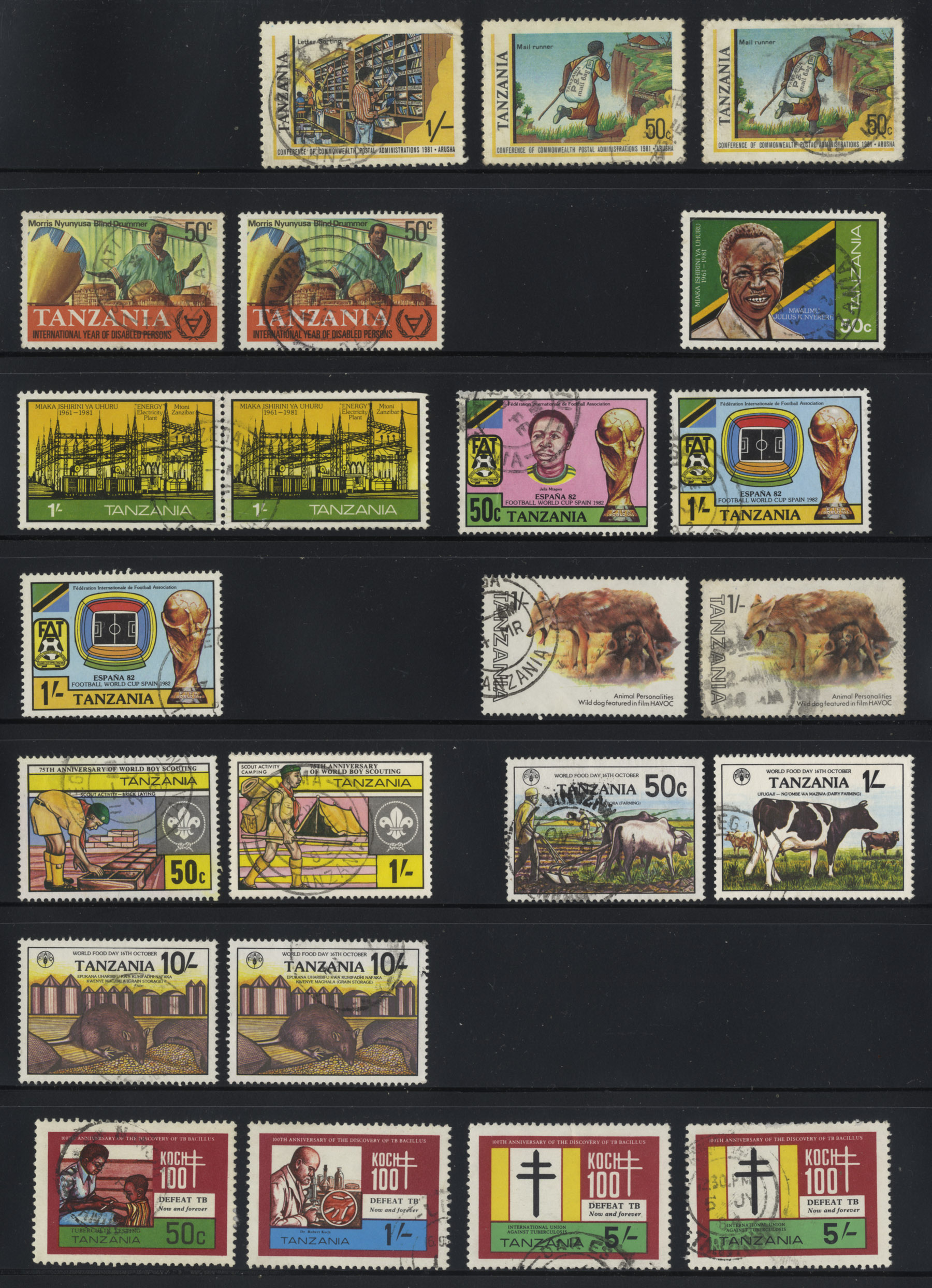
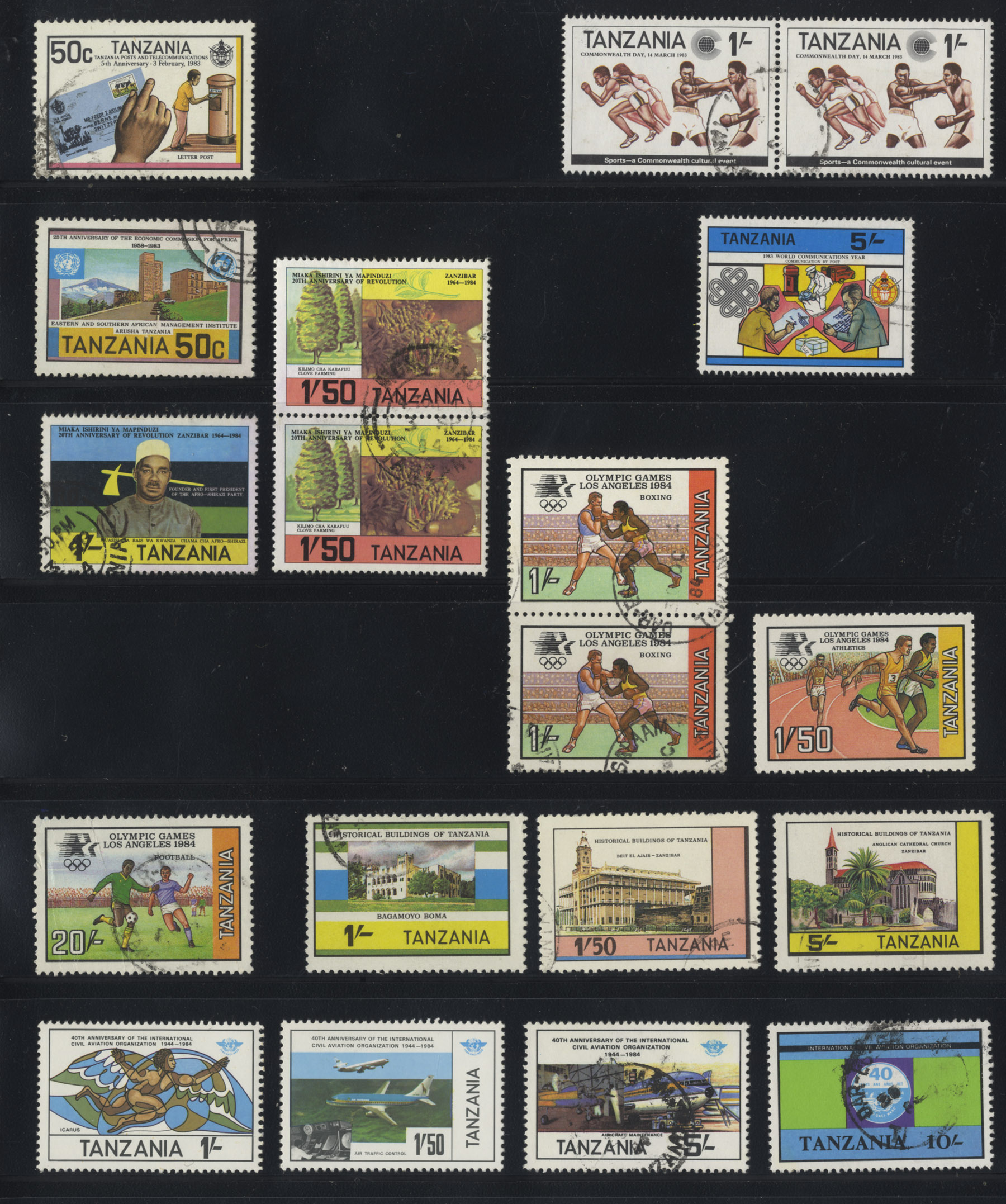
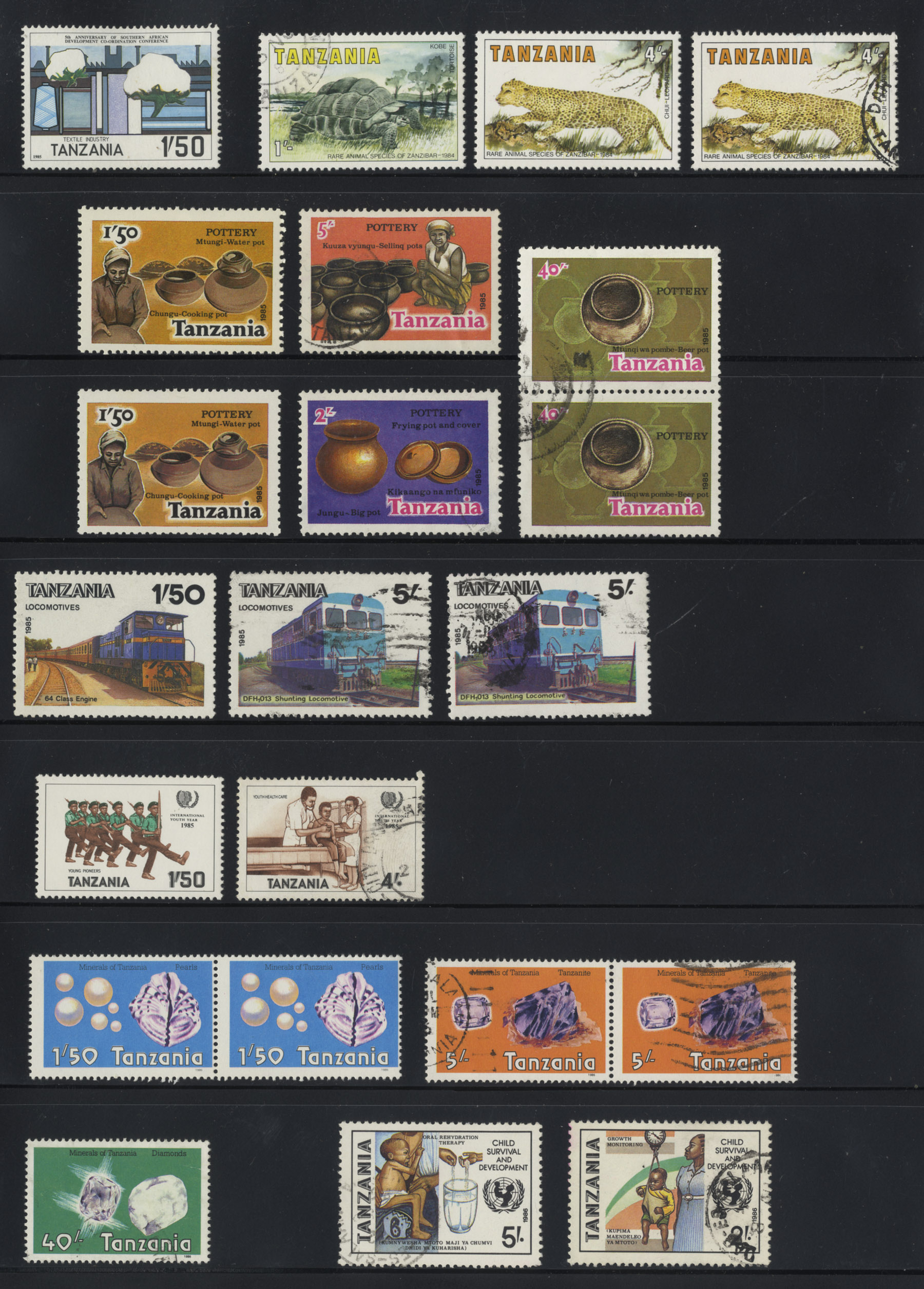
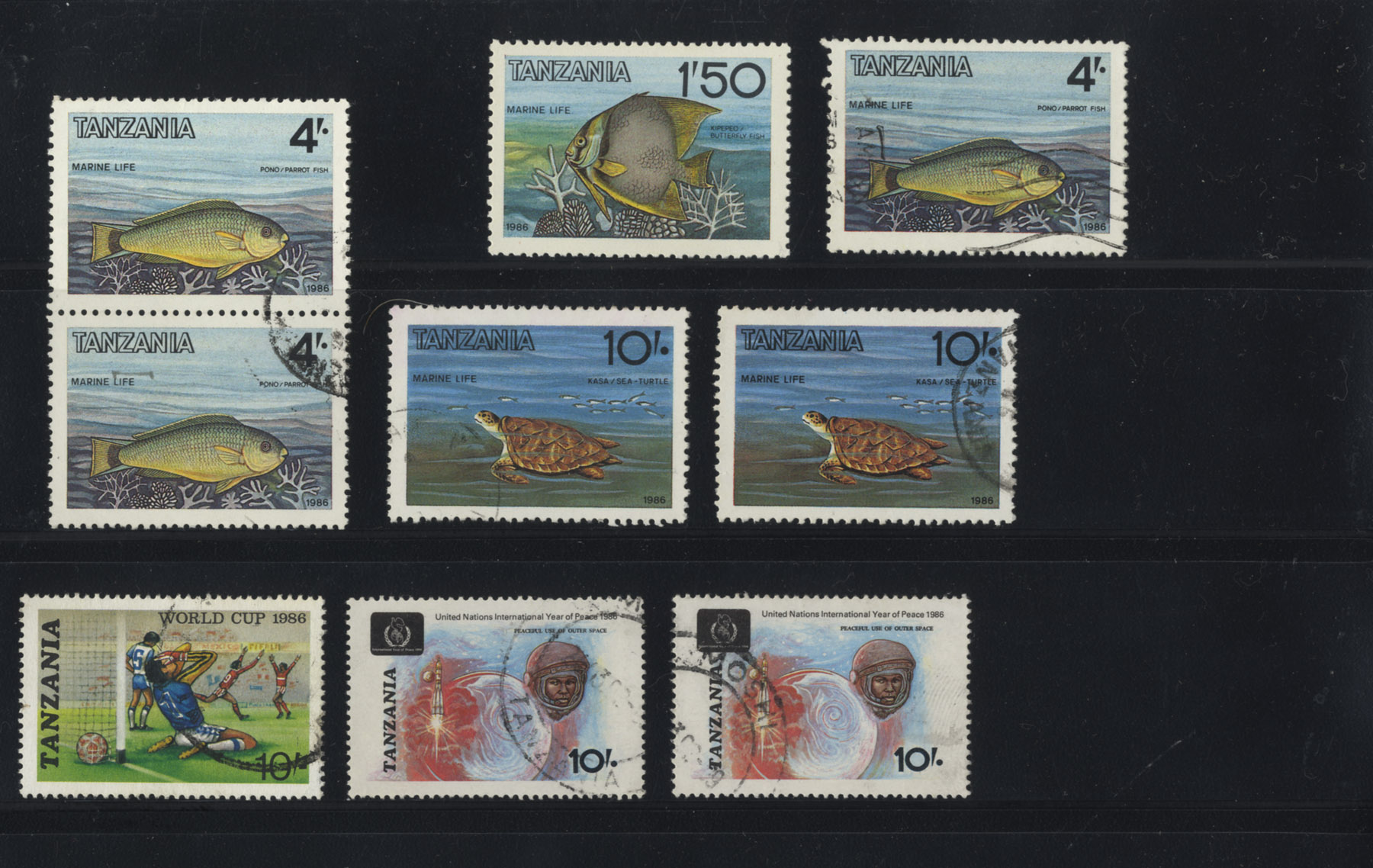
— ENGLISH —
🏛 Tanzania 🏛
🏛 Tanzania was formed in 1964 through the union of two distinct sovereign states: Tanganyika and Zanzibar. Prior to this historic unification, both territories had their own rich and complex postal histories, tracing back to periods of German and British colonial administration.
📫 In its early years, Tanzania issued stamps jointly with Kenya and Uganda under the East African Posts and Telecommunications Administration. It was only after the collapse of this postal union in 1977 that Tanzania began fully issuing its own distinct national postage stamps, asserting its singular philatelic identity on the global stage.
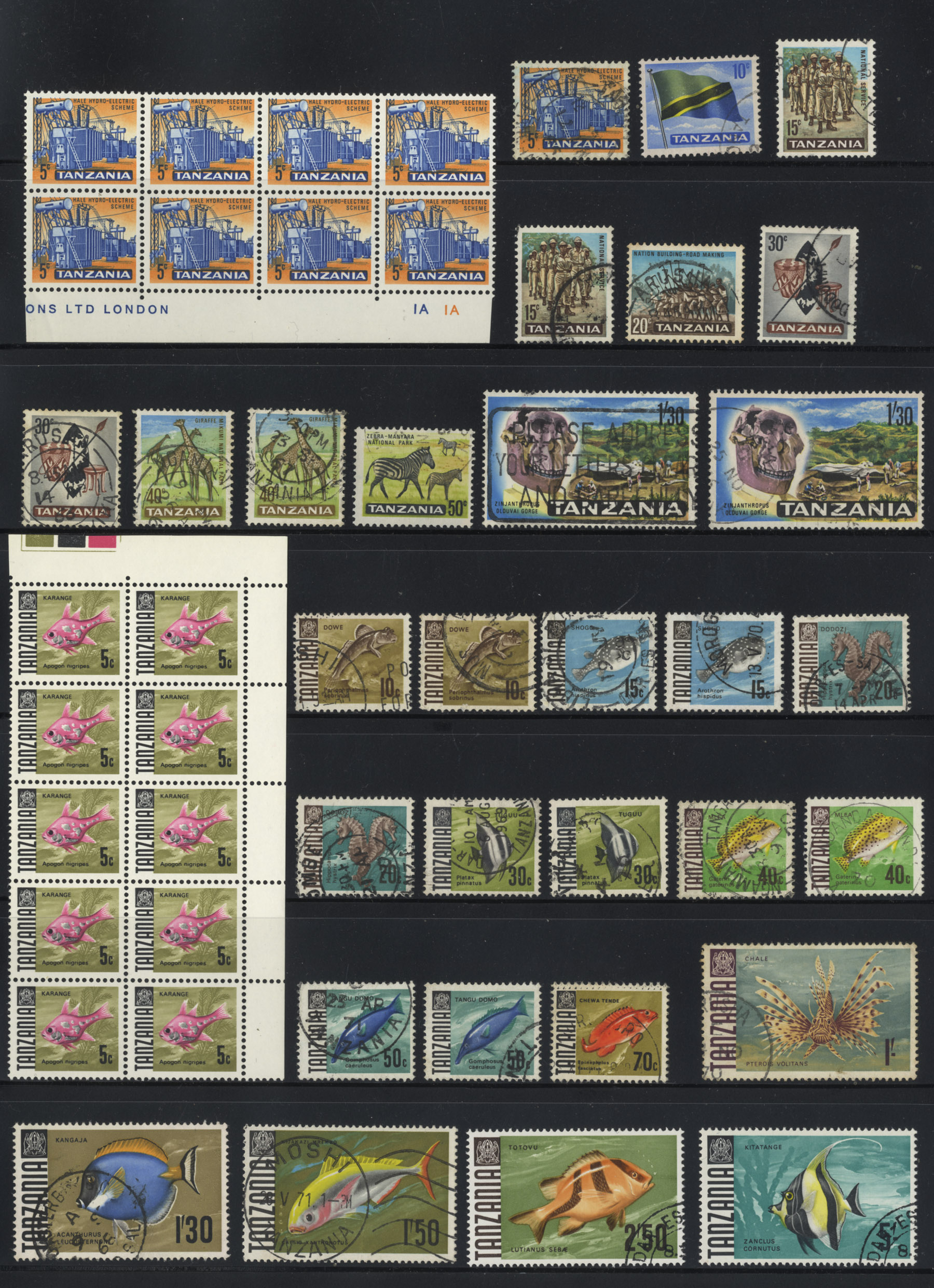
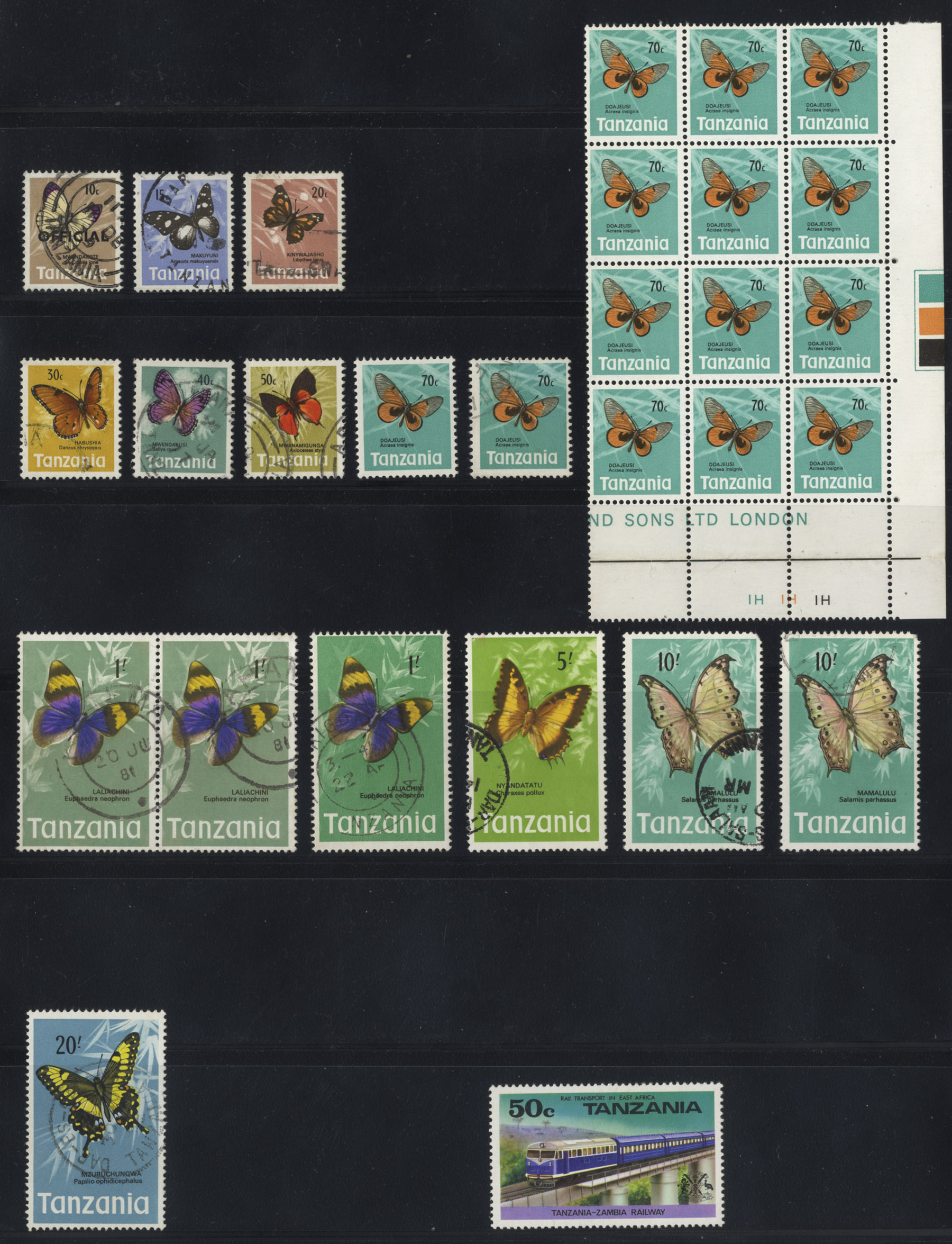
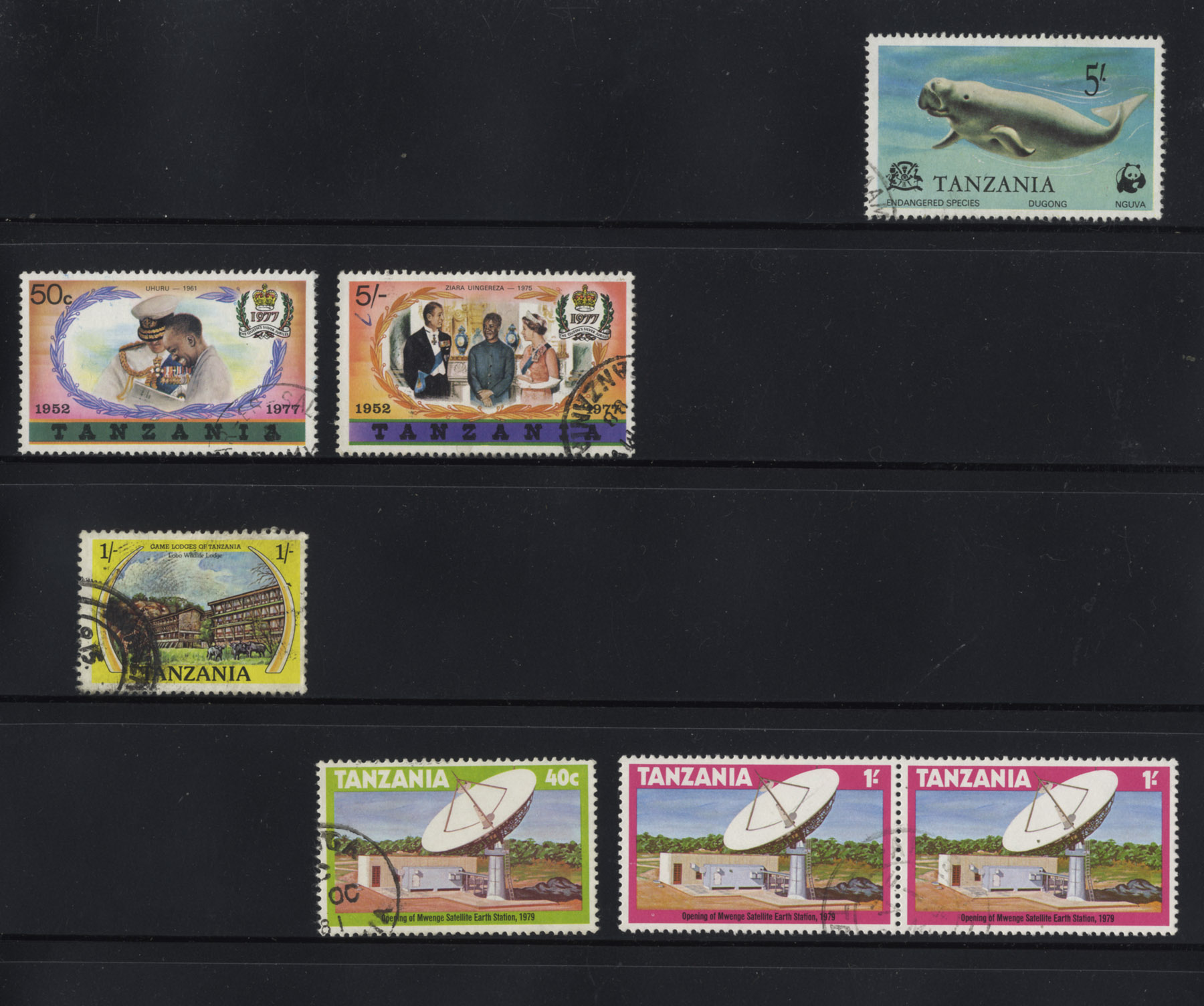
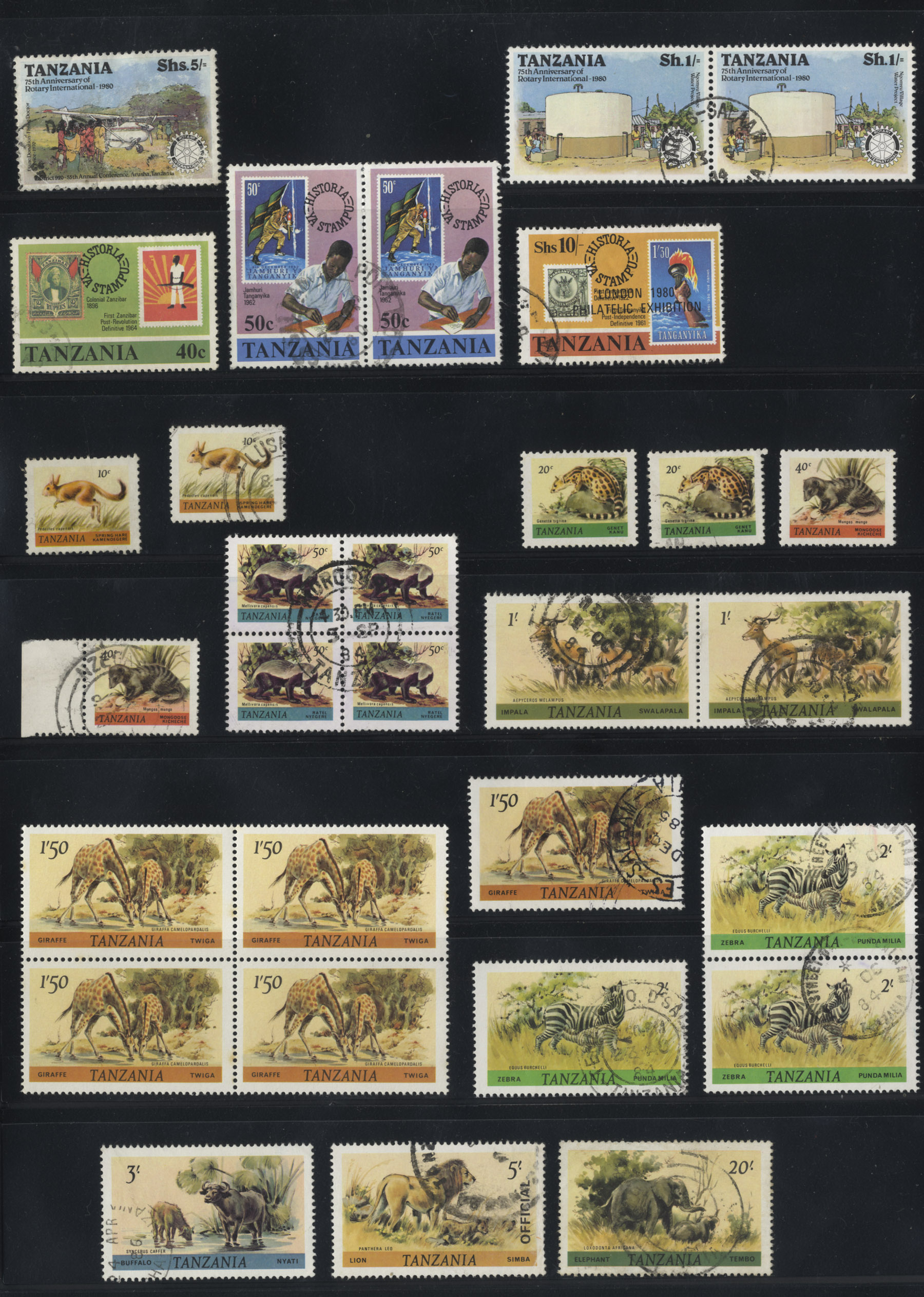
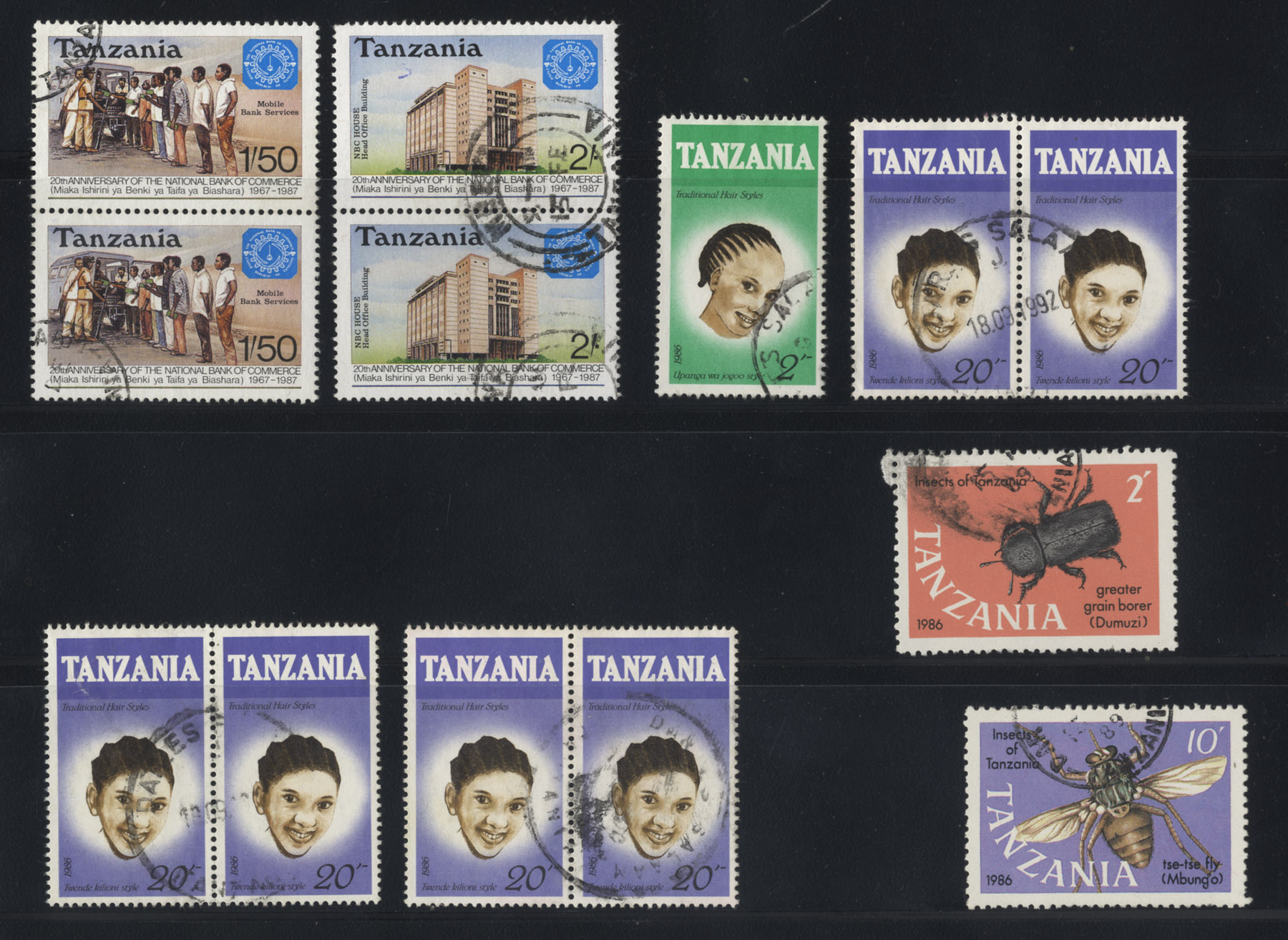
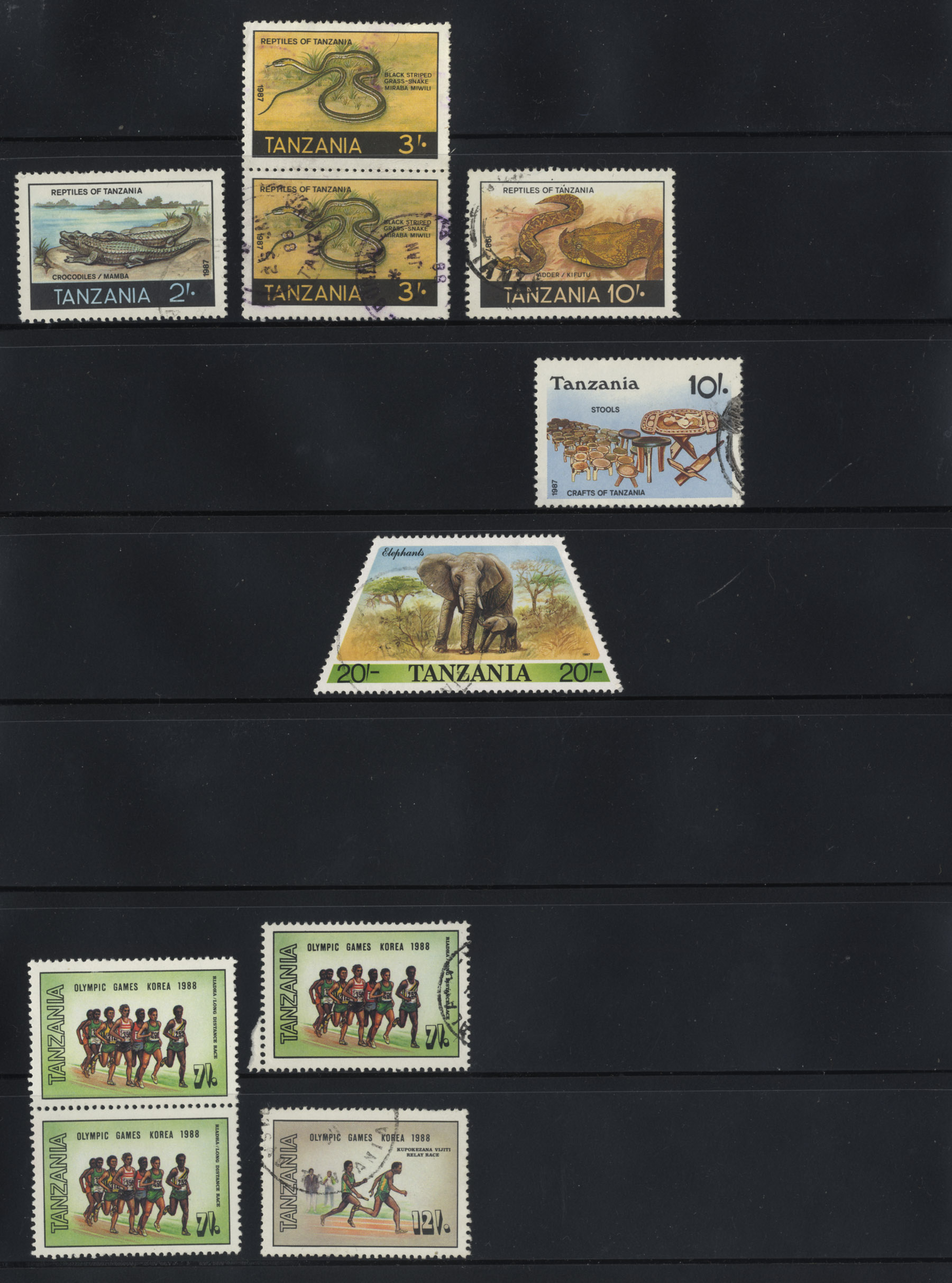
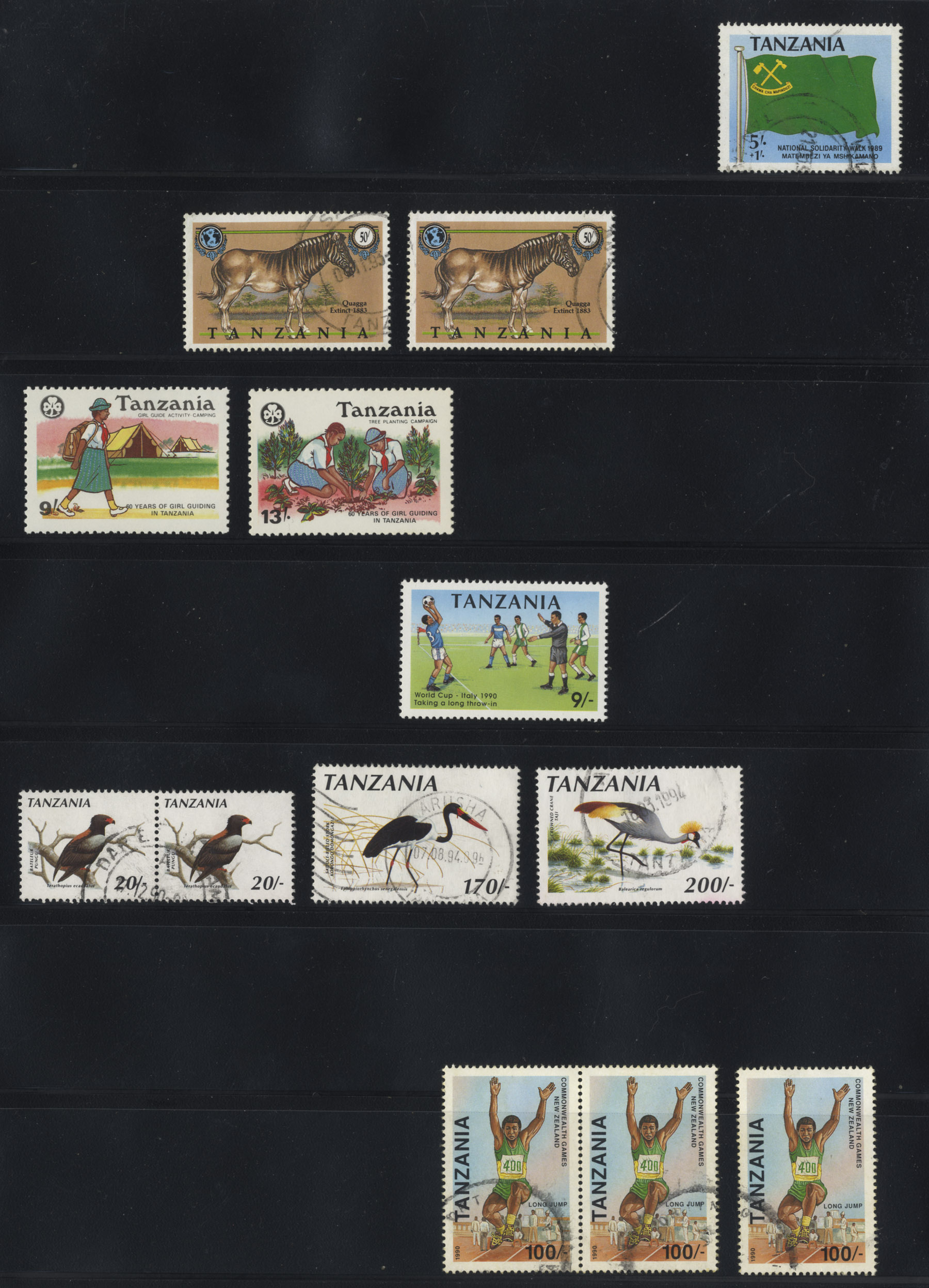
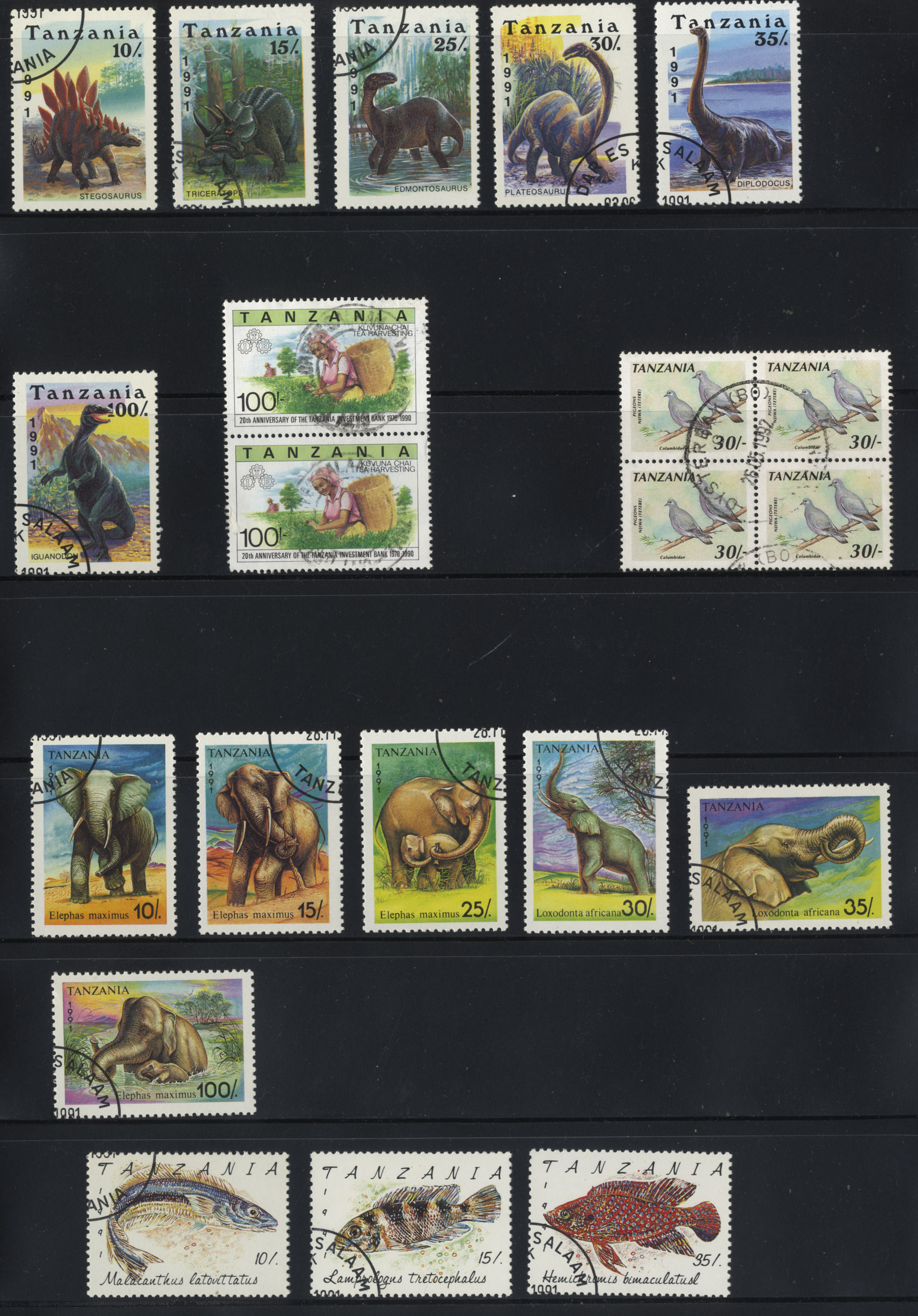
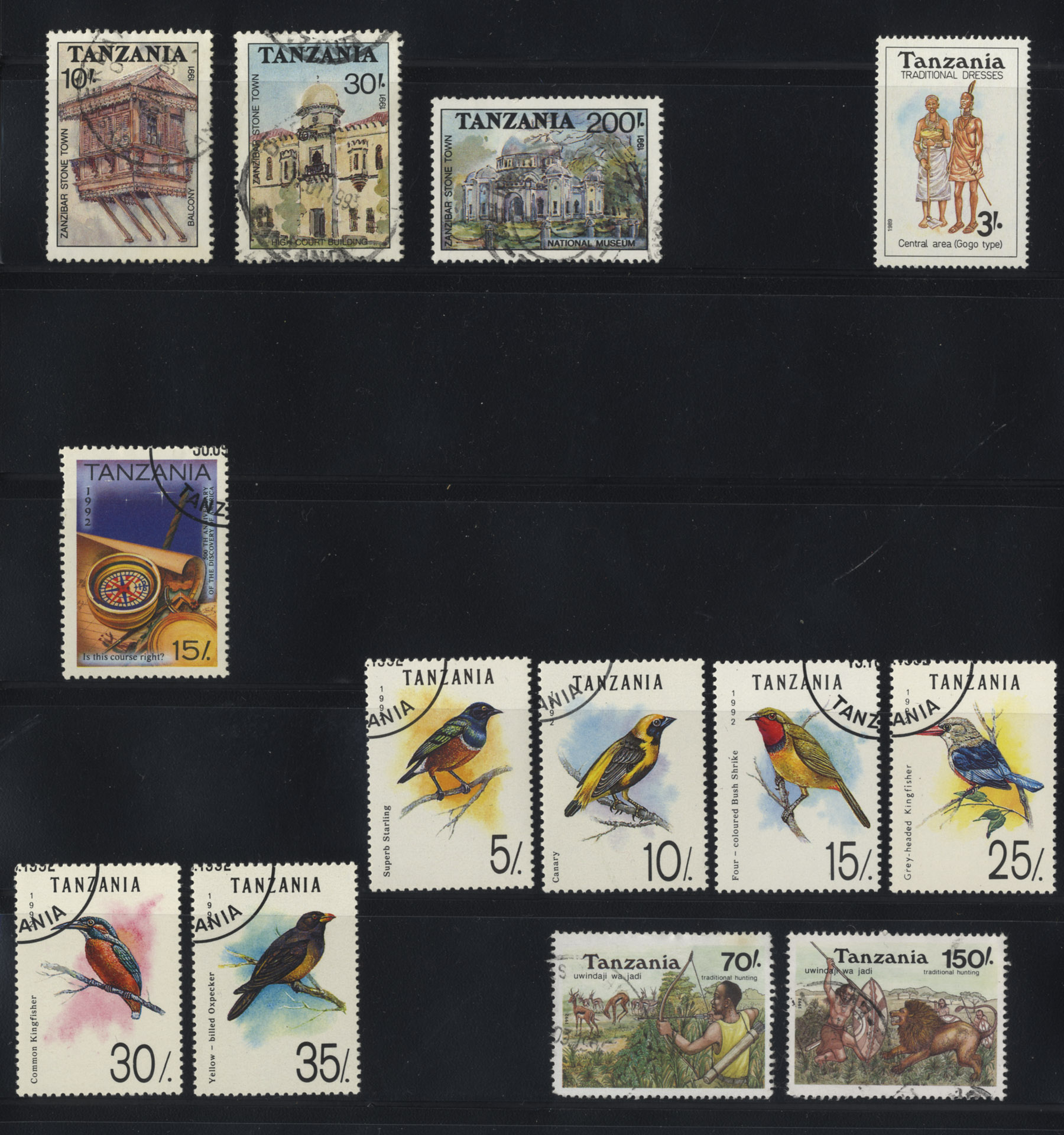
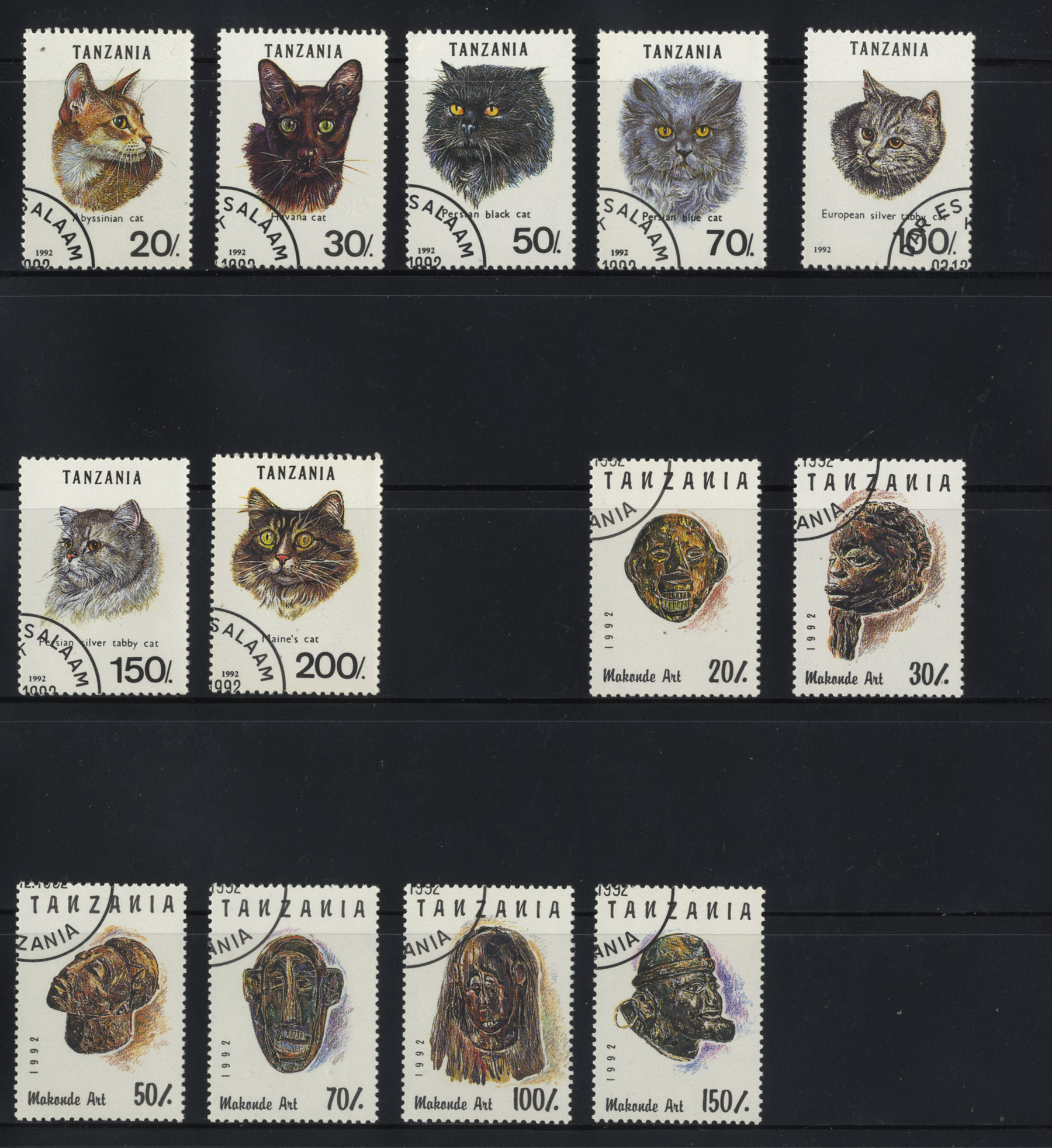
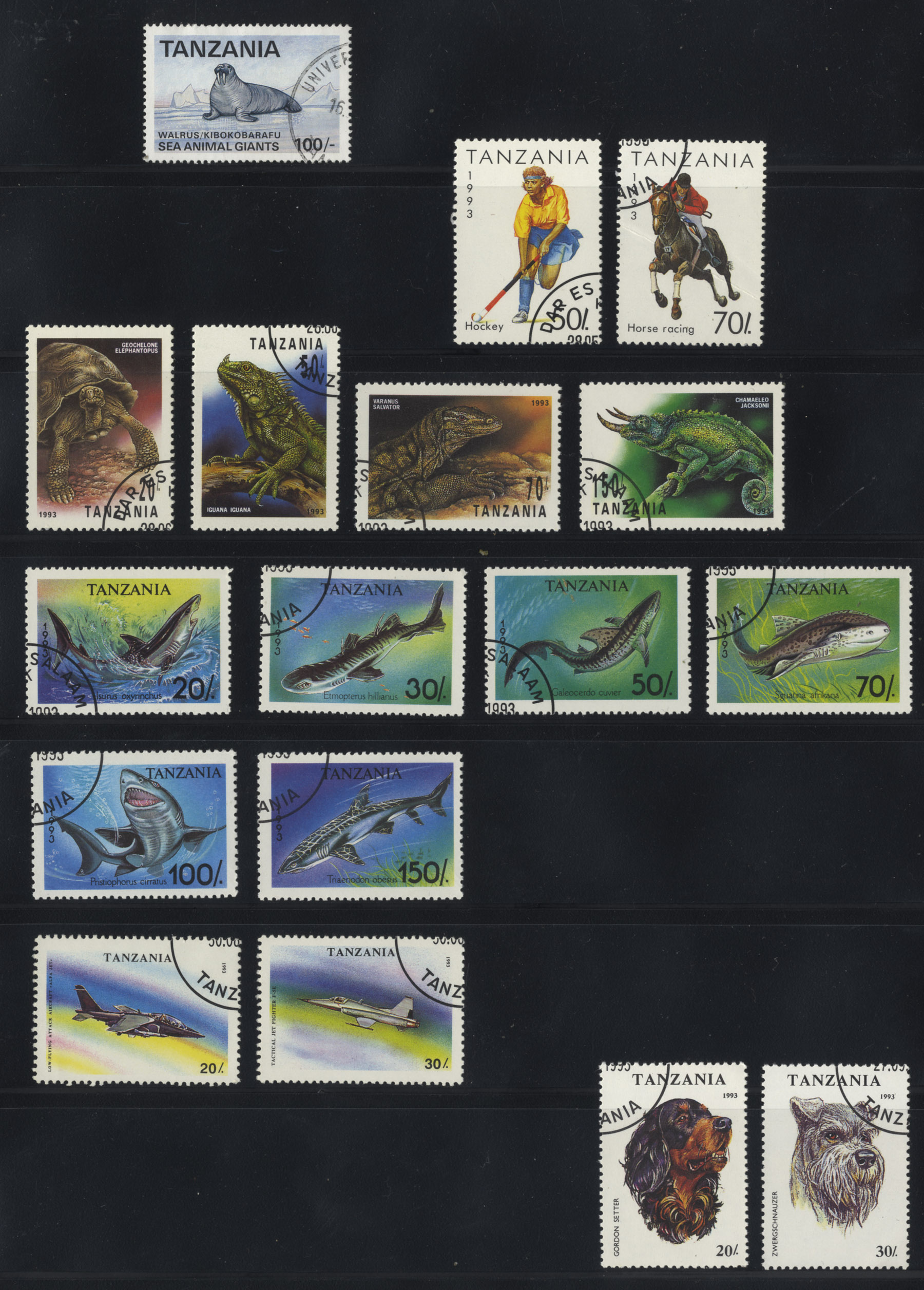
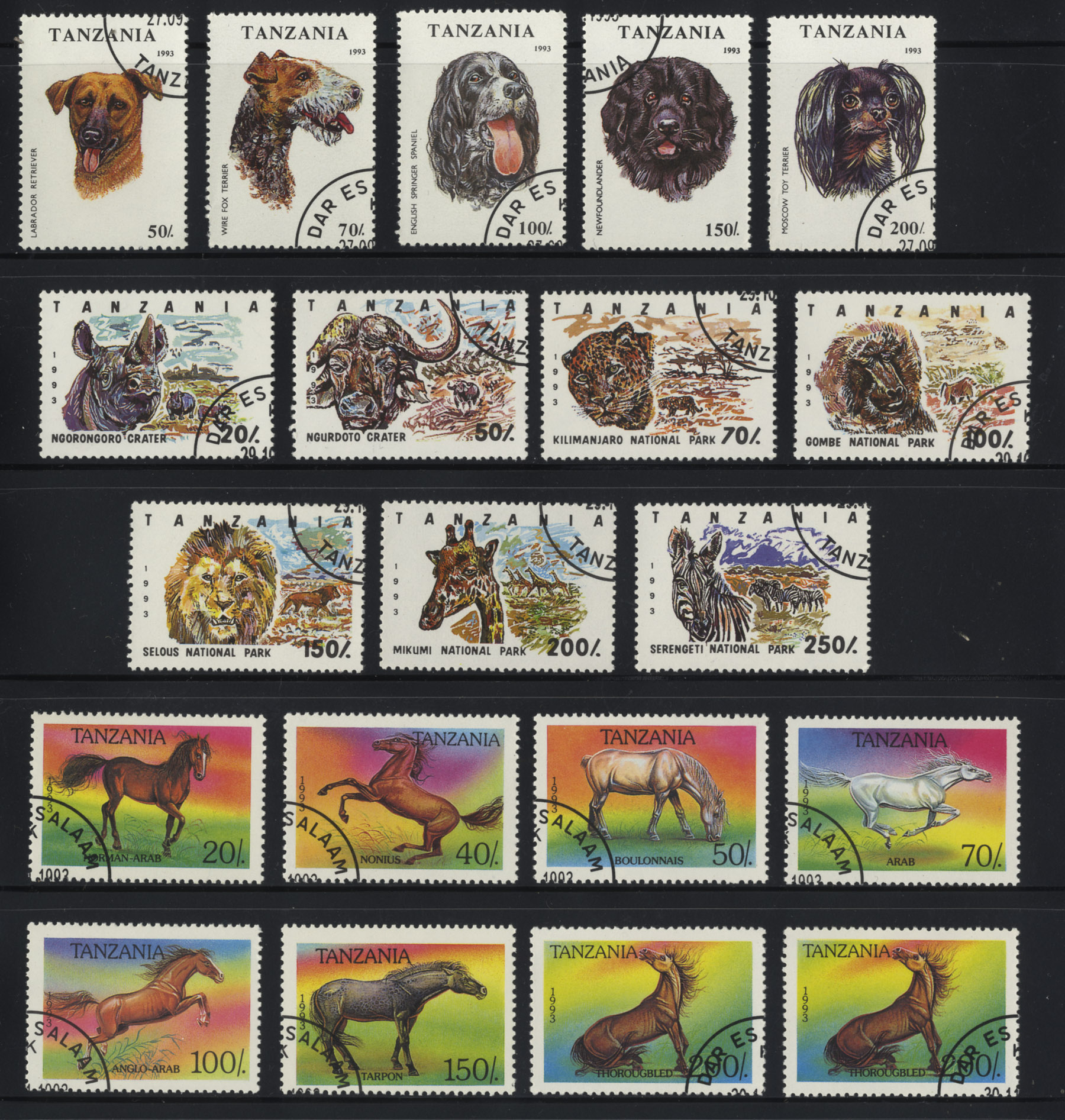
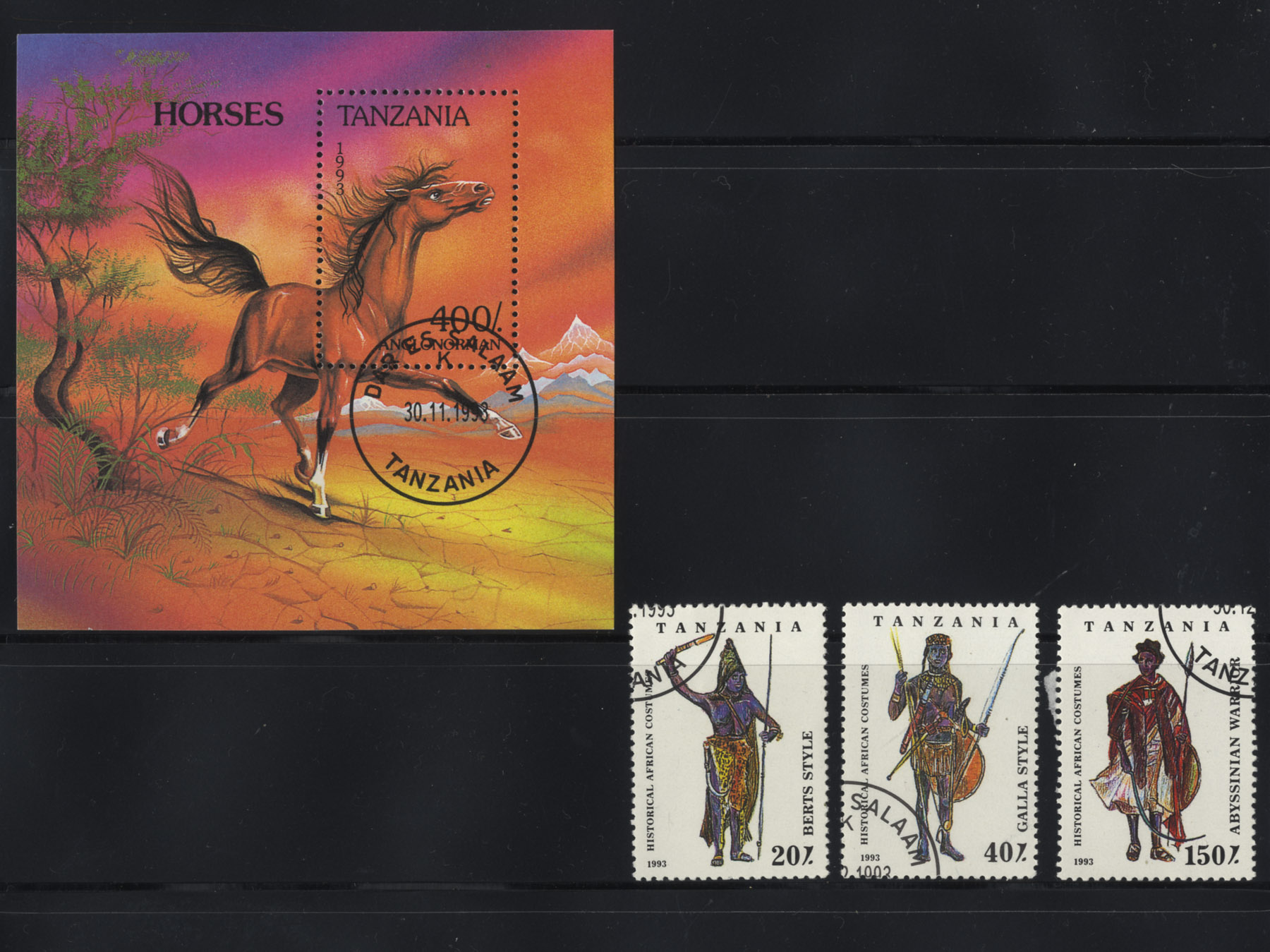
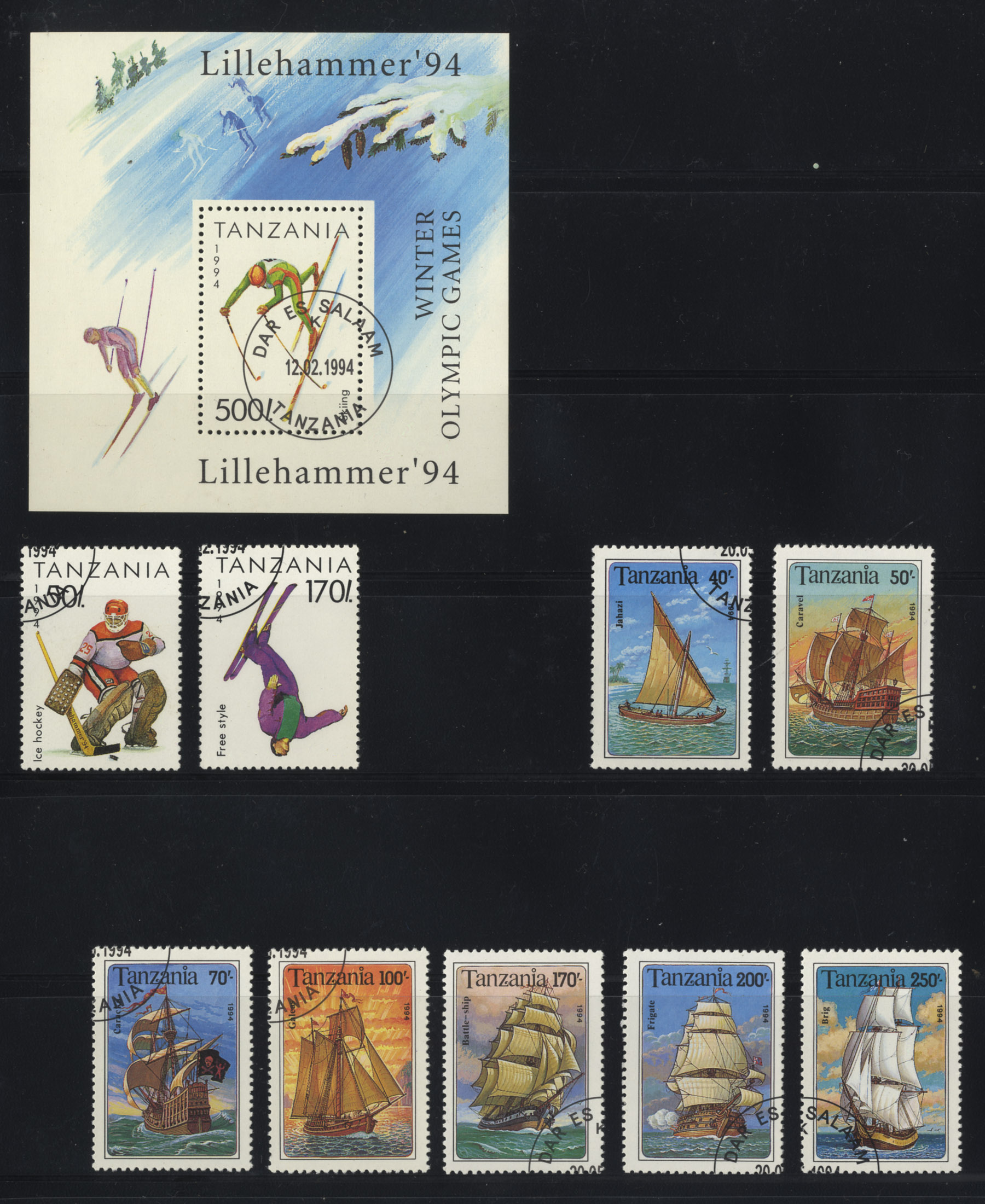
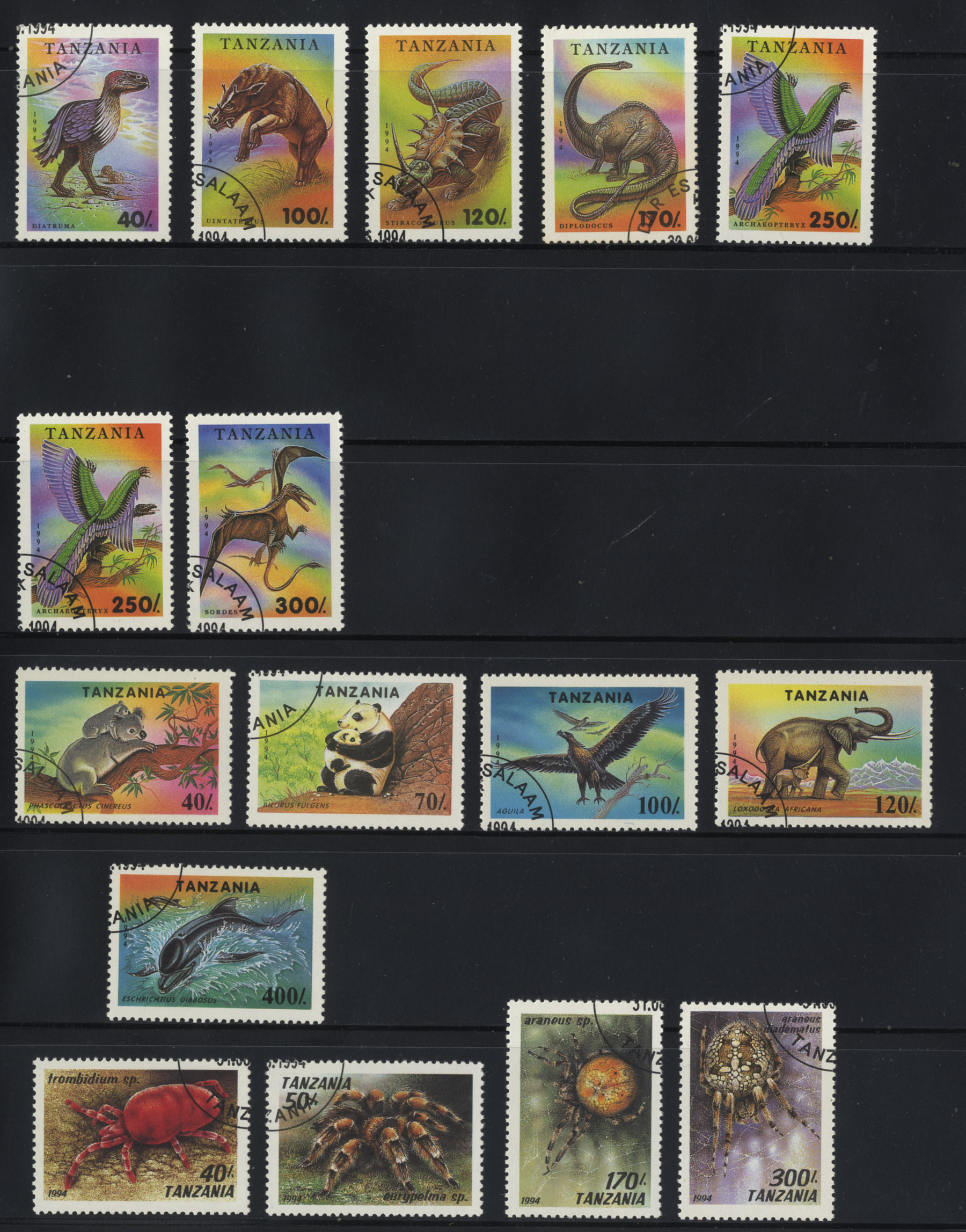
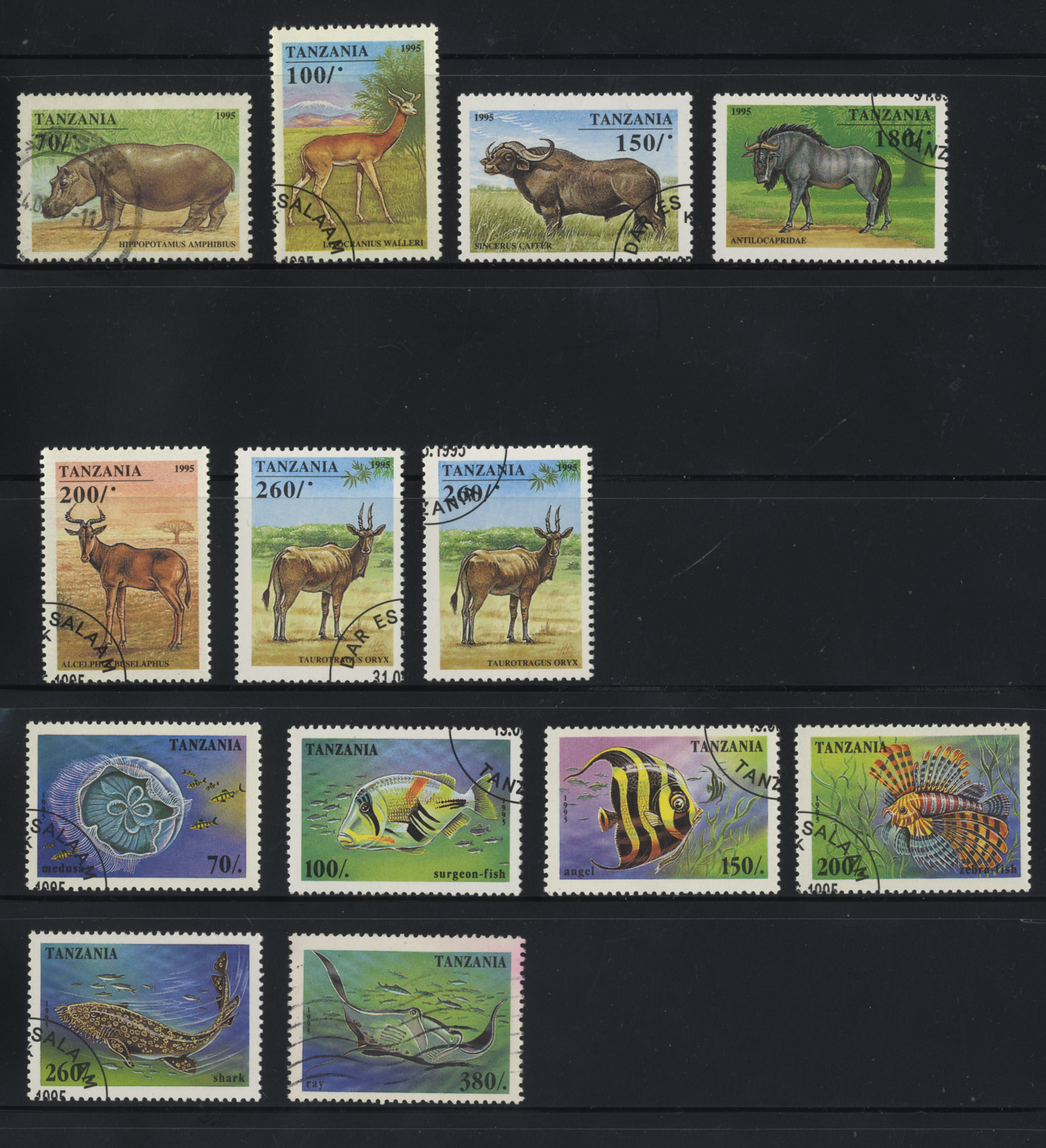
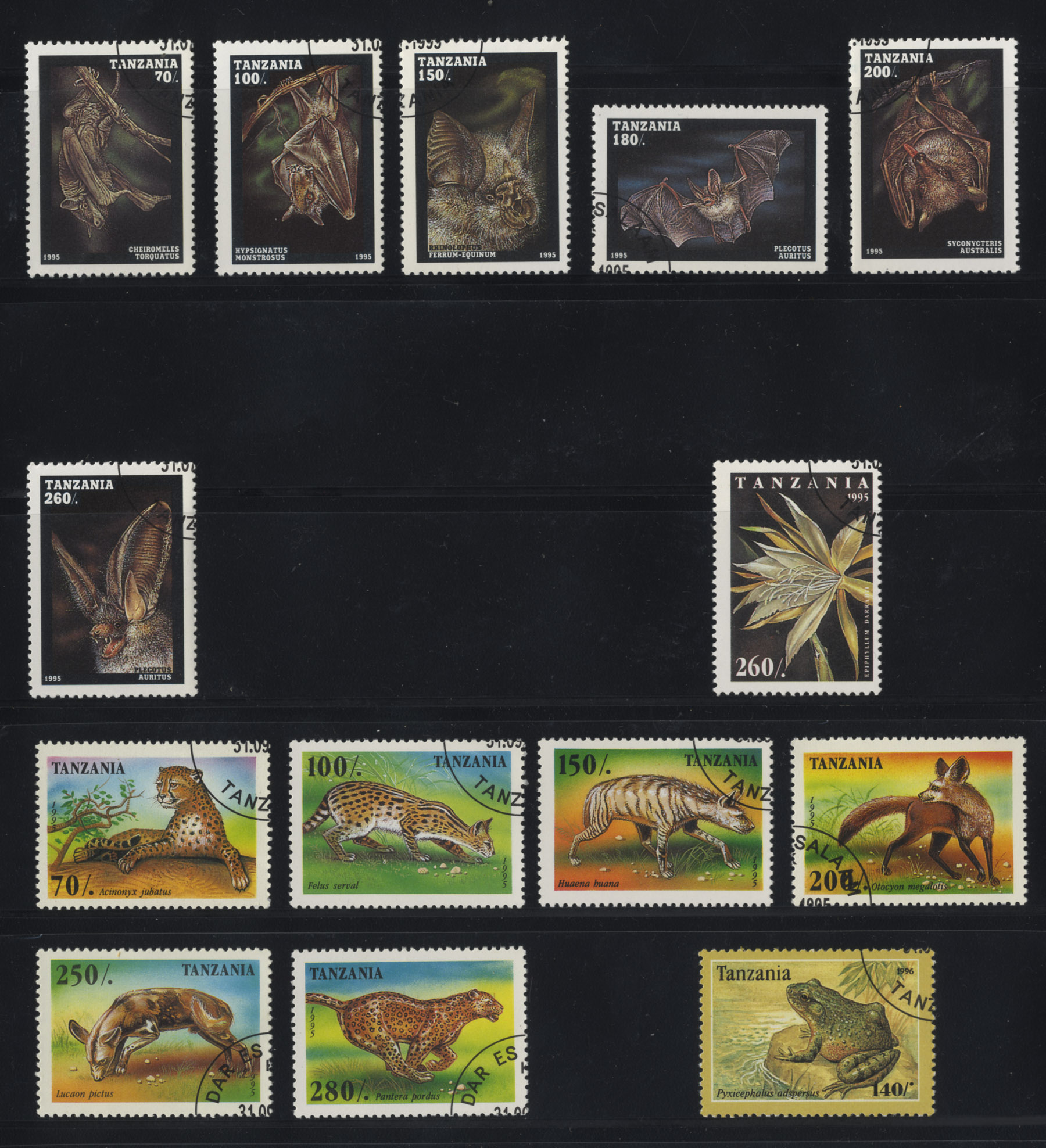
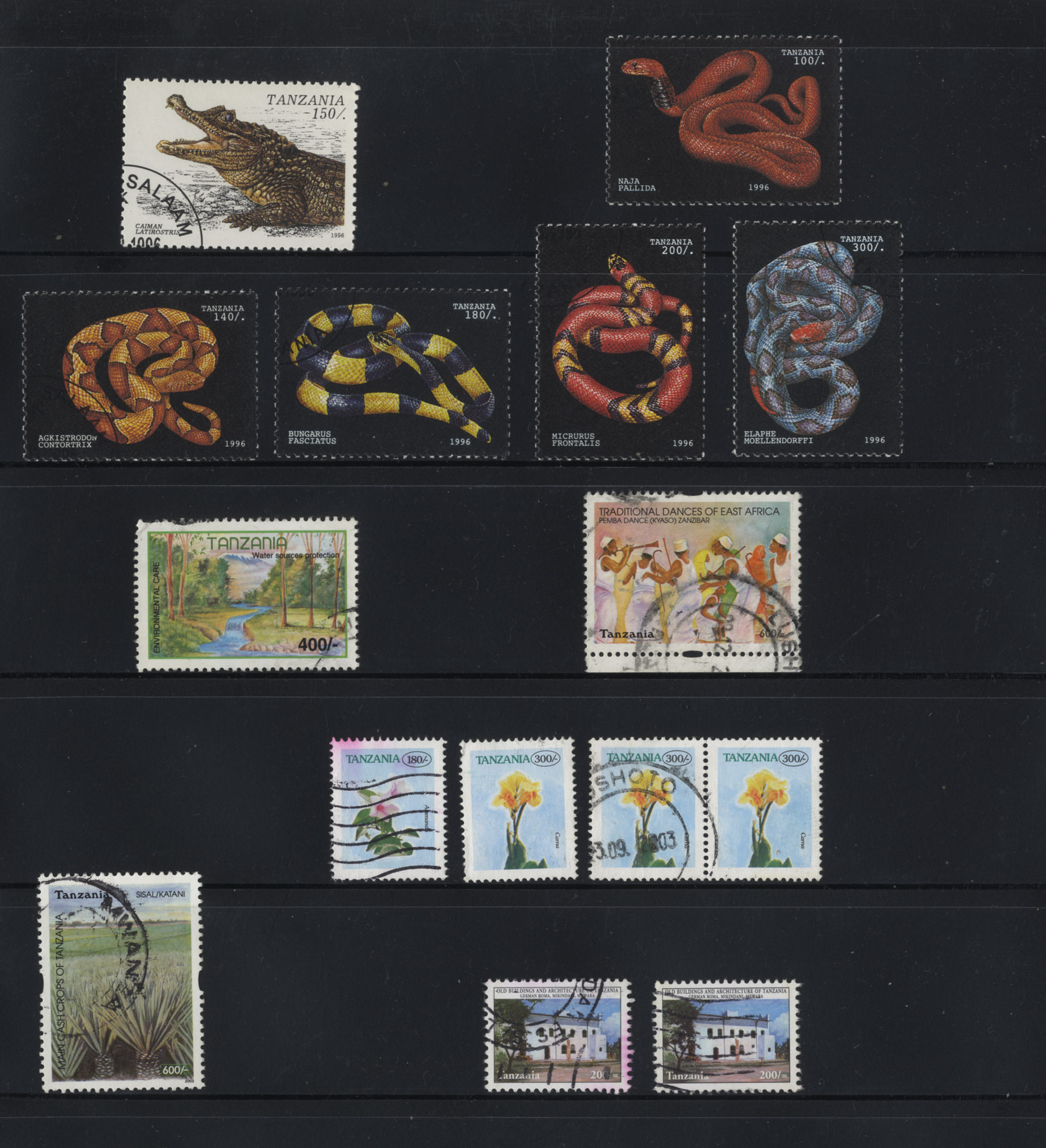
📯 Modern Tanzanian stamps are world-renowned for their vibrant and highly illustrative designs. They frequently serve to highlight the nation's breathtaking natural wonders, including the sweeping plains of the Serengeti, the majestic peak of Mount Kilimanjaro, and the rich cultural heritage of its diverse populations.
⭐ For the dedicated collector, Tanzania offers a fascinating transition from regional postal alliances to independent, culturally rich topical issues that celebrate the beauty of East Africa.
— KISWAHILI —
🏛 Tanzania 🏛
🏛 Jamhuri ya Muungano wa Tanzania iliundwa mwaka 1964 kufuatia muungano wa Tanganyika na Zanzibar. Kabla ya muungano huu wa kihistoria, kila eneo lilikuwa na historia yake ya kipekee ya posta, kuanzia enzi za utawala wa kikoloni wa Wajerumani na Waingereza.
📫 Katika miaka yake ya mwanzo, Tanzania ilitoa stempu kwa ushirikiano na Kenya na Uganda chini ya Shirika la Posta na Simu la Afrika Mashariki. Baada ya kuvunjika kwa ushirikiano huo mwaka 1977, Tanzania ilianza kutoa stempu zake zenyewe kama taifa huru.
⭐ Stempu za kisasa za Tanzania zinajulikana sana ulimwenguni kote kwa kuonyesha wanyamapori wake wa ajabu, mbuga za Serengeti, Mlima Kilimanjaro, na urithi tajiri wa kitamaduni. Kwa wakusanyaji wa stempu, Tanzania inatoa historia ya kuvutia inayounganisha uzuri na utamaduni wa Afrika Mashariki.